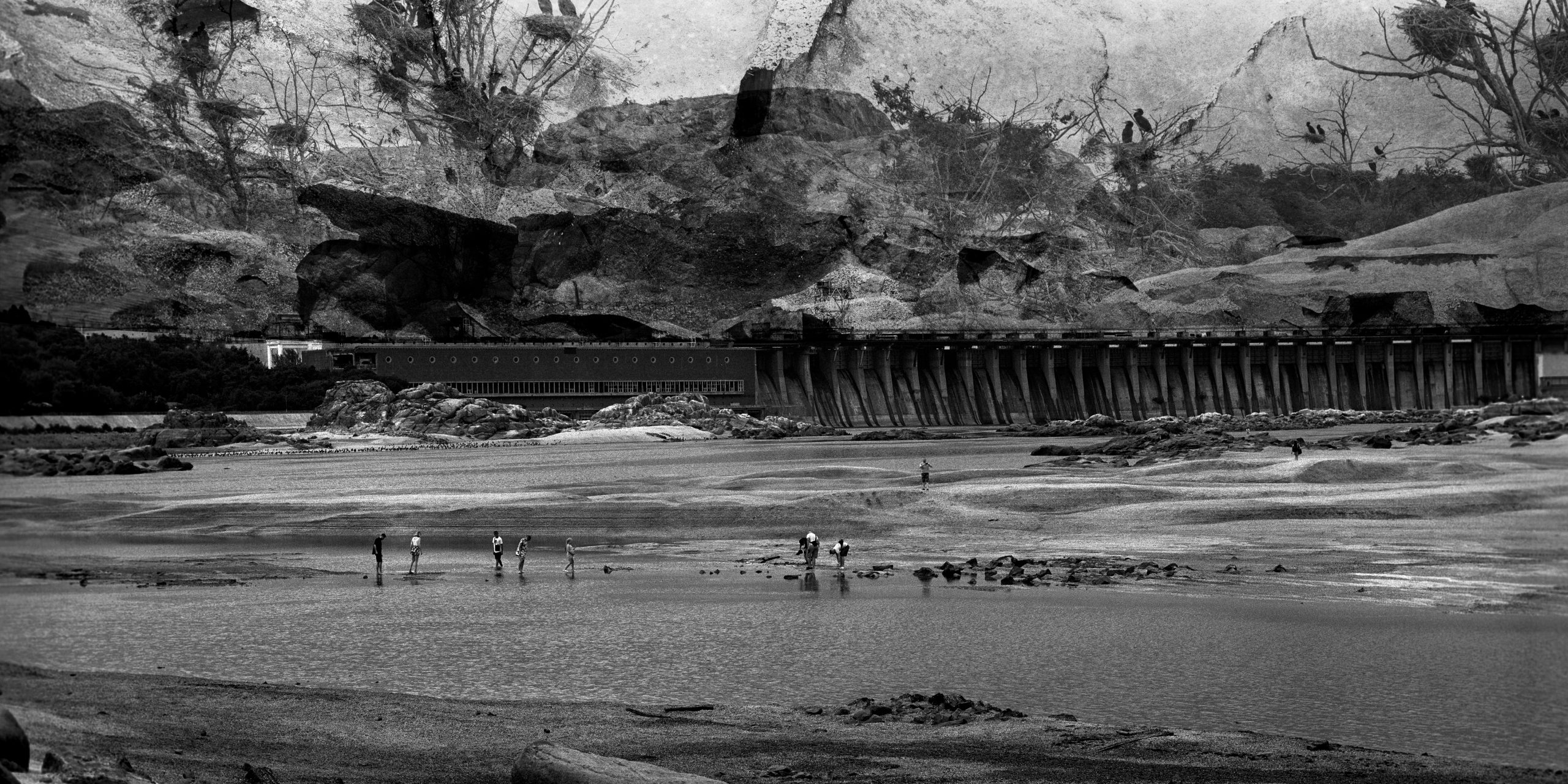
Legacies of Chornobyl
The explosion that destroyed the Chornobyl nuclear power plant on 26 April 1986 also reshaped political, ecological, and cultural landscapes around the world. This issue of the London Ukrainian Review marks the fortieth anniversary of the disaster and examines its evolving global impacts.

Nuclear Roulette: Serhii Plokhy in Conversation
Author of The Nuclear Age, historian Serhii Plokhy, discusses how Chornobyl catalysed Ukrainian independence and reveals the nuclear industry’s structural vulnerabilities. The conversation explores how nuclear disasters transform politics across decades and geographies with a focus on the weaponisation of civilian nuclear infrastructure during Russia’s war in Ukraine.

Chornobyl at 40: Times and Spaces of a Hyper-Event
Chornobyl was a hyper-event that ruptured Soviet reality, ending the USSR’s cosmo-industrial dream of conquering the cosmos through nuclear power. This essay traces how one disaster reverberates across multiple dimensions – geopolitical, ecological, ontological – asking what it means when the exception becomes the rule.
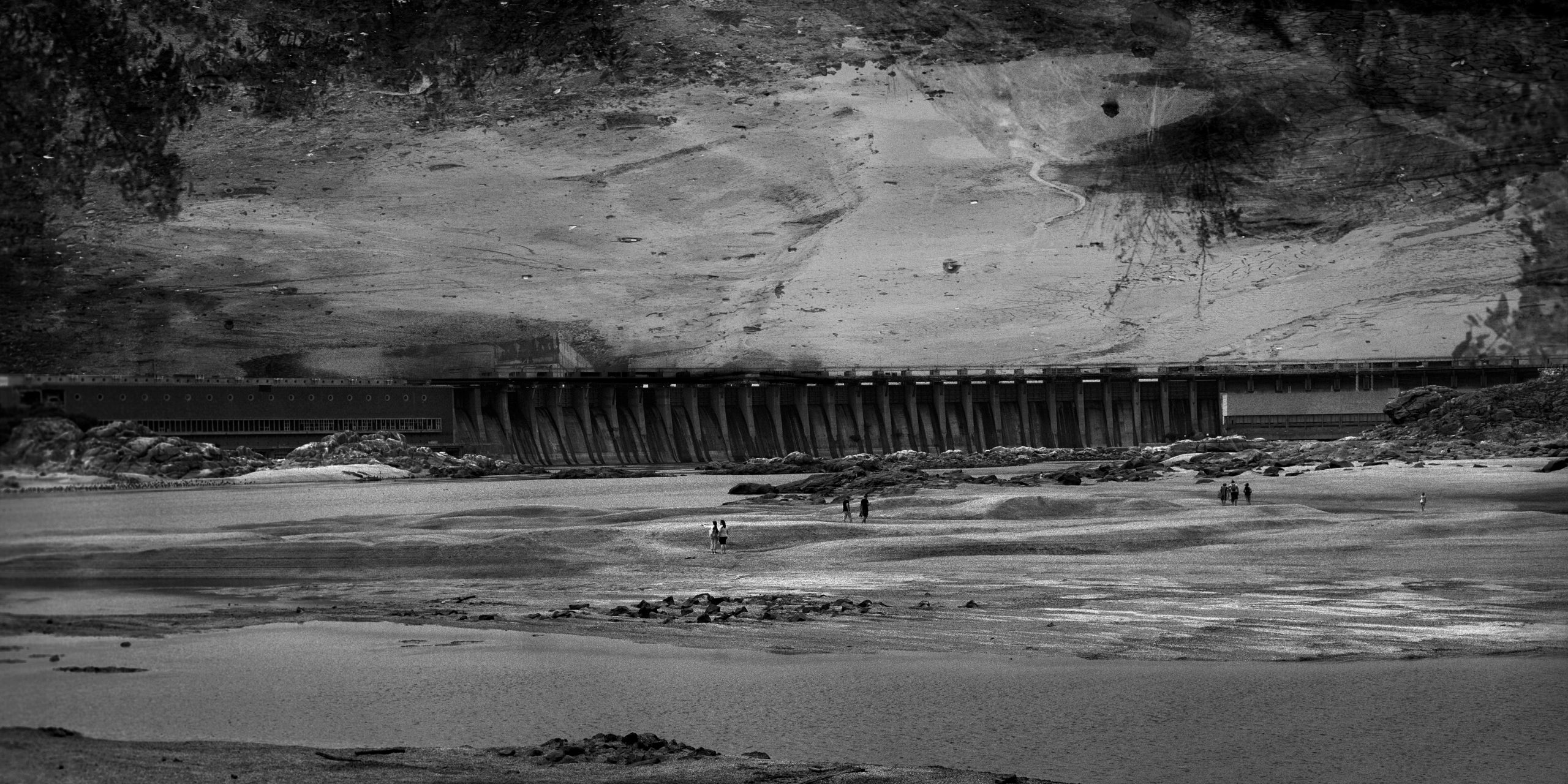
The Tangled Roots of Soviet Nuclear Power
Orysia Kulick excavates the colonial punitive logic behind Soviet nuclear infrastructure development. She reveals how Ukraine’s civilian reactors emerged from a toxic convergence of Gulag labour, the Cold War arms race, and imperial attempts to pacify populations through ‘proletarian atoms’ – a colonial logic that concentrated deadly infrastructure where resistance ran deepest.
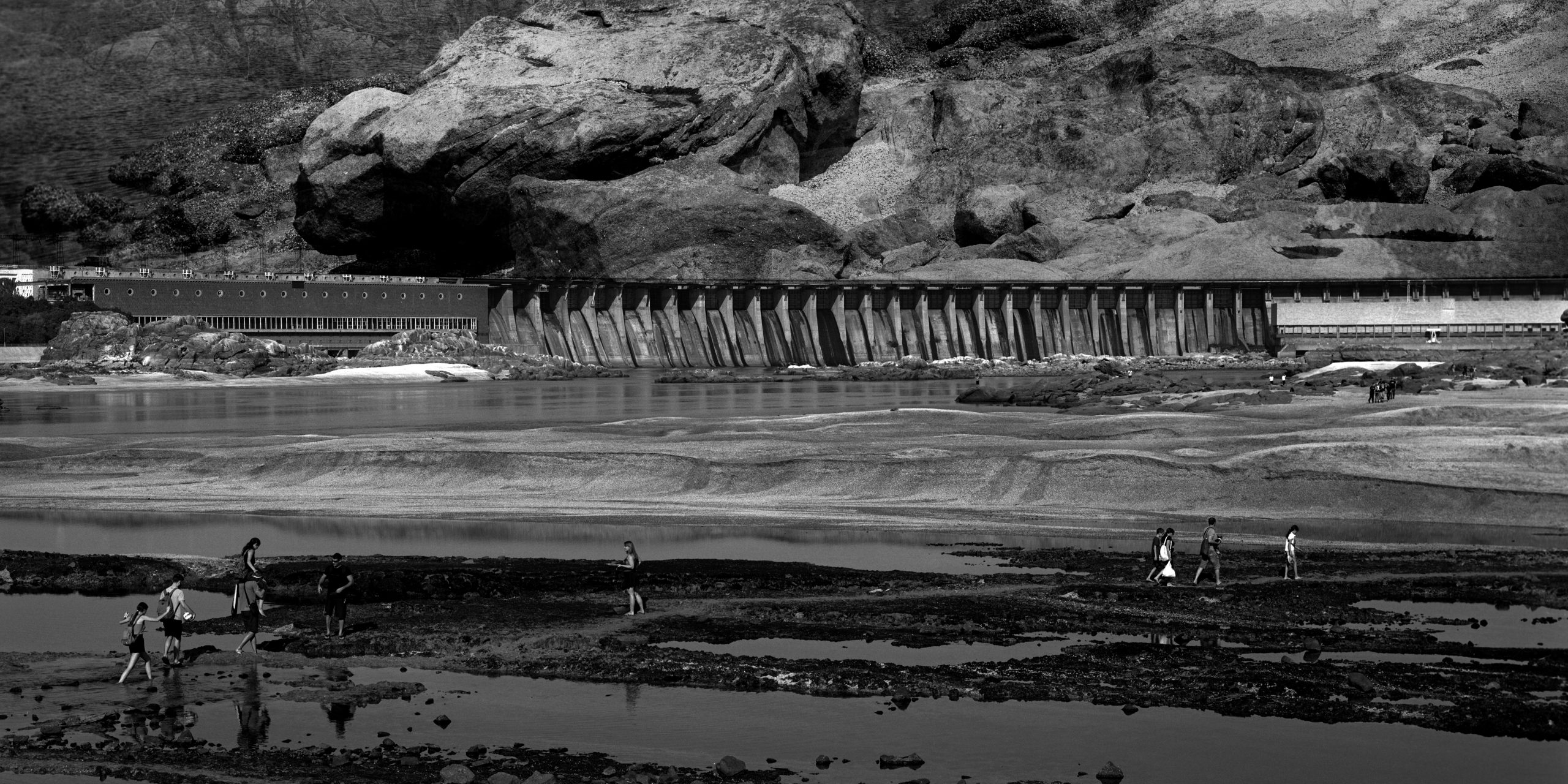
‘Chornobyl Forever’: Children of the Exclusion Zone
The Chornobyl disaster shaped the lives of Ukrainian children from affected areas through displacement, health challenges, and international recuperation programmes. Yaryna Grusha’s story explores the impact of the Soviet cover-up of the catastrophe, as well as the bonds forged between Ukrainian families and their Italian hosts, revealing how tragedy opened unexpected doors for the ‘children of Chornobyl’.
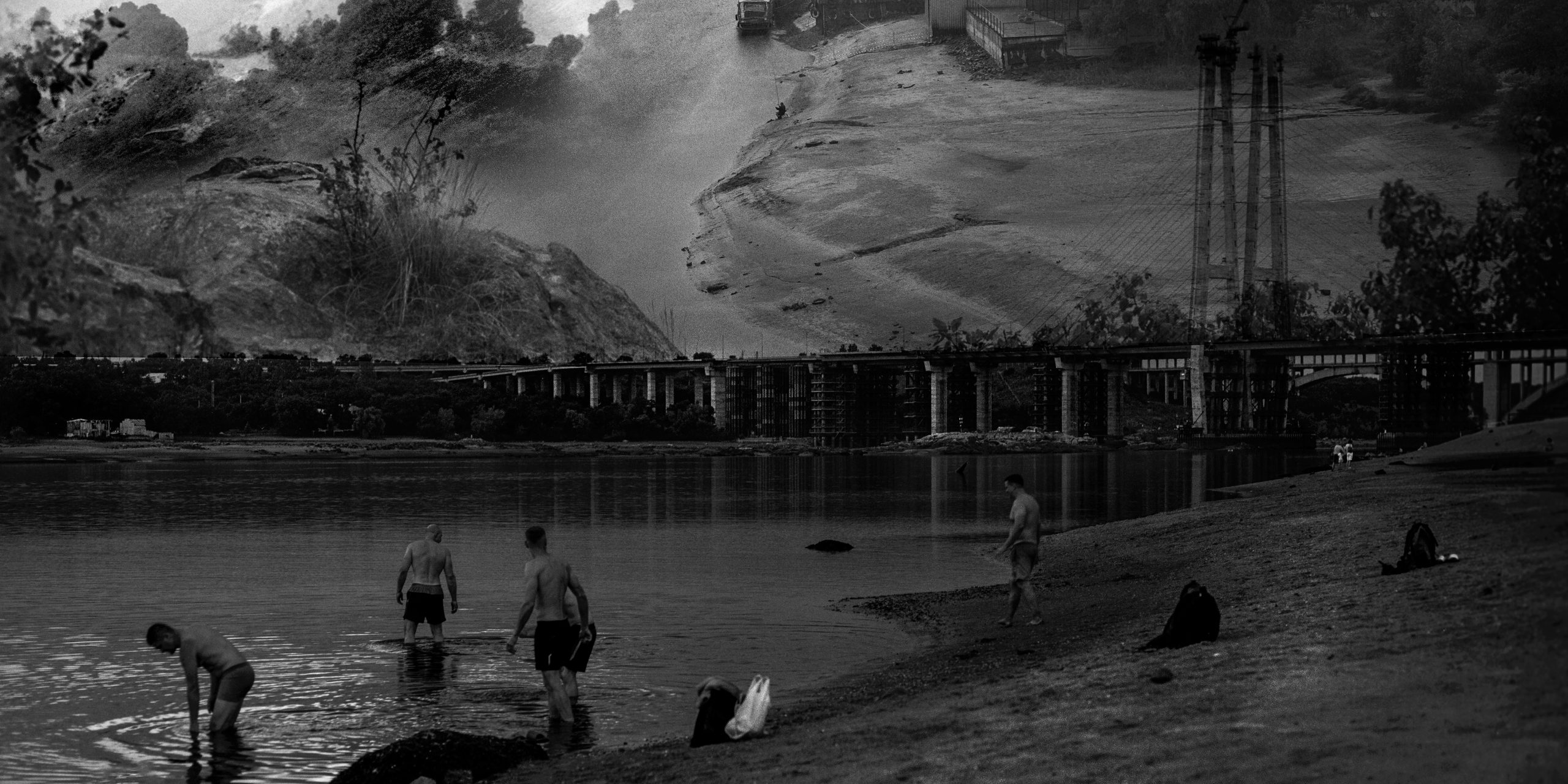
The Political Afterlife of a Nuclear Catastrophe:
A View from Poland
The Chornobyl catastrophe fractured whatever trust remained in Poland’s government after five decades of Communist rule, transforming pharmacy queues and playgrounds into spaces of political awakening. Exploring how environmental catastrophe sparked mass civic mobilisation, Szulecki asks whether these lessons can inform struggles for democratic control over nuclear infrastructure in Europe amid war and climate breakdown.
Culture as Security
This issue of the London Ukrainian Review takes a look at culture as a matter of national security. Highlighting the voices of cultural figures who defend Ukraine with arms, it also examines culture as a tool of Russia’s imperialist expansion, all the while insisting on a bond between cultural familiarity and political solidarity.
‘Defeat the Enemy and Liberate the Space’: Peter Pomerantsev on Propaganda and Civic Culture
How can Ukraine’s culture of resistance serve the country’s security? Olesya Khromeychuk spoke to Peter Pomerantsev about the subtleties of waging information warfare, the challenges of cultivating a world of truth and justice today, and creating the kind of space where democracy can be practised.
‘All Hearts Are Born for Beating’: Poetry by Ukraine’s Defenders
Ukrainian wartime poetry transcends literary convention. These poems by defenders Eva Tur, Vasek Dukhnovskyi, and Valeriy Puzik embody a culture being forged in the fight for its survival — verse written between battles, resounding with courage born of conscious choice and civic conviction.
The Other Front: Deconstructing Western Bias Towards Russia
Why does the West consistently overlook Russian imperialism while scrutinising its own colonial past? Edward Lucas exposes how Western media and academia’s Moscow-centric worldview undermines Ukraine and perpetuates centuries-old imperial blind spots that still shape geopolitics today.
When Words Fail to Protect your Culture the Armed Forces Will
Respected author, PhD in political science, combat medic in the Armed Forces of Ukraine — Kateryna Zarembo’s story is not unusual. Writing from her frontline position, she elucidates why Ukrainian writers, artists, and performers interrupt successful cultural careers to join the military defence of their homeland.
Lessons from the Empire: The Concert Hall as Security
Is the concert hall truly a haven, or a subtle instrument of empire? Leah Batstone unveils how musical programming wields geopolitical influence, offering strategies for elevating Ukrainian music within global repertoires, thereby fortifying the nation’s cultural security.
Defensive Wall: Why Ukraine’s Culture Is Everyone’s Fight
To understand how to reinforce Ukraine’s security, we must examine the strategies being used to undermine it. Uilleam Blacker argues that culture is a crucial element of Russia’s aggression, and that cultural support for Ukraine can be an effective tool in a broader security policy.
Everyday Amulets: On House Keys from Crimea to Palestine and Beyond
House keys recur in the family stories of both Crimean Tatars and Palestinians displaced from their respective homelands in the 1940s, and in accounts of Ukrainian citizens fleeing Russian invasion since 2014. Maria Sonevytsky traverses ethnographic research and discourses of storytelling, art, and justice to show how house keys elicit stories, securing an exiled people’s history from oblivion.
Wartime Childhood
This issue explores the topic of wartime childhood. Through reportage, conversations, history, and art, it highlights the experiences of young people growing up in Ukraine today, and of the adults responsible for protecting these children from Russia’s genocidal policy. This unflinching look at the Ukrainian present poses urgent questions about our shared future.
‘To fight for every child’: Advisor and Commissioner of the President of Ukraine for Children’s Rights Daria Herasymchuk in Conversation
Daria Herasymchuk provides a comprehensive and sobering account of what Russia’s invasion is doing to children. Demonstrating resolve and resilience, she describes Ukraine’s efforts to ensure the safety of children at home and worldwide.
Wounded Childhood: ‘Being a Kid’ in Ukraine after Severe Trauma
Ukrainian children are a frequent target of Russian attacks on civilians. How do children wounded by the aggressor state recover from their trauma? How do Ukrainian parents provide support when Russia has made safety impossible? Diana Deliurman reports on Ukrainian kids who have endured injury, loss, rehabilitation, and made it back to childhood — transformed.
‘Squinting at the sun’: Poems on Childhood by Artur Dron’ and Maksym Kryvtsov
The glare of war forces carefree children to grow up quickly. Poems by Artur Dron’, currently serving in the Armed Forces of Ukraine, and Maksym ‘Dali’ Kryvtsov, killed in the line of duty in 2024, illuminate the tenderness, resolve, and tragedy at the heart of Ukraine’s fight to protect the future of its children.
‘We are the future’: A Dialogue Between Young Adults from Ukraine and the UK
Adolescence under any conditions is traditionally a time of exploration and self-discovery. Sixteen-year-olds Daryna Rud from Ukraine and Emma Roberts from the UK reveal what they have in common, despite incomparably different experiences of Russia’s invasion of Ukraine: a sincere interest in their peers and in the world they share.
Instrumentalising Summer Camps in the Soviet Union and in Russia’s War against Ukraine
Iuliia Skubytska outlines the history of the Soviet summer camps Russia is employing in the mass deportation and re-education of Ukrainian children. Her overview shows how the complex legacy that Russia is exploiting encompasses infrastructure, ideology, and personal memory, and raises questions about the role of individuals in implementing state policy.
Watching Ukrainians Grow Up: Documentaries about Young Adults
Highlighting the intimate relationship between cinema and political culture, Olga Birzul surveys the landscape of Ukrainian documentary films with young protagonists. Marked by sensitivity and commitment, this cinematic trend reflects the turbulent conditions in which Ukrainian children are becoming adults.
Justice for Ukraine
This issue of the London Ukrainian Review is dedicated to justice. It explores how impunity for Russia’s crimes of the past breeds its genocidal war against Ukraine in the present. Ukrainians’ fight for justice is viewed from the standpoint of the Sixtiers and the Maidan generations, through the eyes of an art historian, lawyer, ex-serviceman, and Nobel Peace Prize laureate.
Nobel Peace Prize Laureate Oleksandra Matviichuk: In Conversation
Ukraine is at the forefront of envisioning justice in a changing world. While acknowledging the immense individual toll of Russia’s war crimes in Ukraine, Oleksandra Matviichuk sees possibilities for bringing war criminals to justice before the war ends, renewing the rule of law, and creating a future where justice can exist — if individuals do their part.
The Common Denominator between Soldiers and Liberals: What Makes a Humanist Kill?
How does a pacifist find himself fighting Russian troops on the front line—together with other Ukrainians who had dedicated their lives to preserving human rights, lives, and culture? Yevhen Shybalov searches his personal history—from the lawless 1990s to the Revolution of Dignity to spring 2022—for the source of Ukrainians’ will to fight against injustice.
Art for Justice: What Ukraine’s Artistic Heritage Teaches Us about Russian Imperialism
In the aftermath of the ground-breaking exhibition of modernism from Ukraine ‘In the Eye of the Storm’, its co-curator Katia Denysova reflects on justice in the realm of art history. Erased by Russian colonialism for centuries, the place of Ukraine’s artists and heritage in global cultural history must be restored.
‘The shards of our pain keep calling us to battle’: Two Poems by Vasyl Stus
Vasyl Stus was an extraordinary Ukrainian poet and dissident who died in a labour camp in Russia three years before the collapse of the Soviet Union. As Bohdan Tokarskyi notes in his introduction to the poetry translations, Stus was ‘uncompromising in his pursuit of justice and the truth’ in his life and art.
Ukraine’s Pursuit of Justice: Empowering the Law Domestically and Internationally
Ukrainian state and civil society have responded to Russia’s war-related atrocities in ways that can galvanise transformations in the legal sphere both inside Ukraine and globally. Kateryna Busol uncovers the patterns of unwavering resilience and draws attention to the avenues for change it has opened up for the international community.